



White efflorescence or oil stains on your paving stones? Has the colour faded? What can you do?

Good news: there is a practical solution.
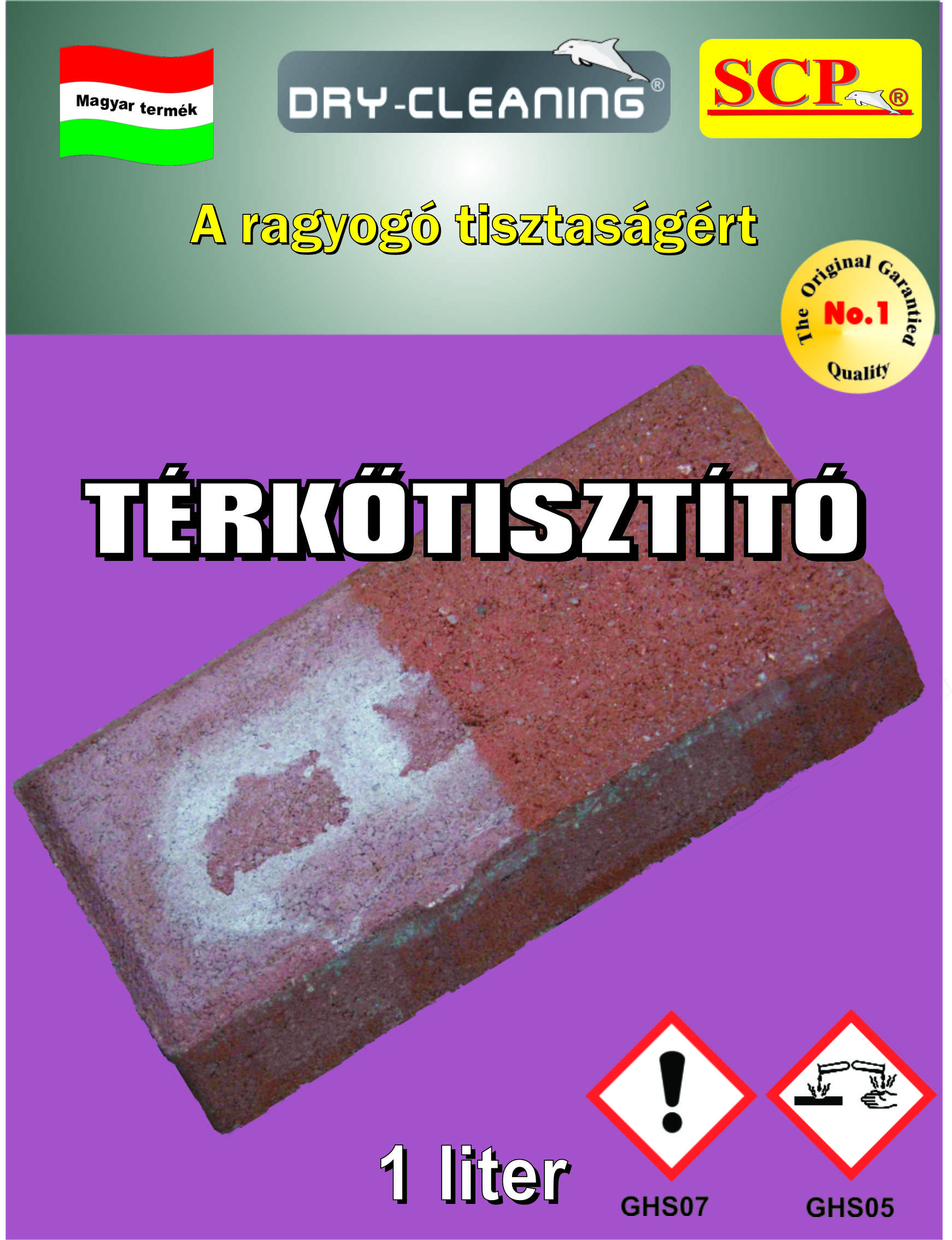
Many people notice white patches on paving stones. This is typically efflorescence (salts that migrate to the surface with moisture and crystallise as the surface dries).
.jpg)
1) Efflorescence: what to do
There are two effective routes:
- Prevention: impregnate the paving stones before laying (helps reduce efflorescence).
- Correction: clean the salts from the surface, then after full drying impregnate the paving stones.
Recommended impregnation: AQUA-STOP W Paving Stone Impregnator – Concrete Stone Protector.

Recommended cleaning: DRY-CLEANING Paving Stone Cleaner – Concrete Stone Cleaner. It also helps remove rust stains that can develop, for example, due to iron-rich irrigation water.
2) Oil stains: remove and prevent
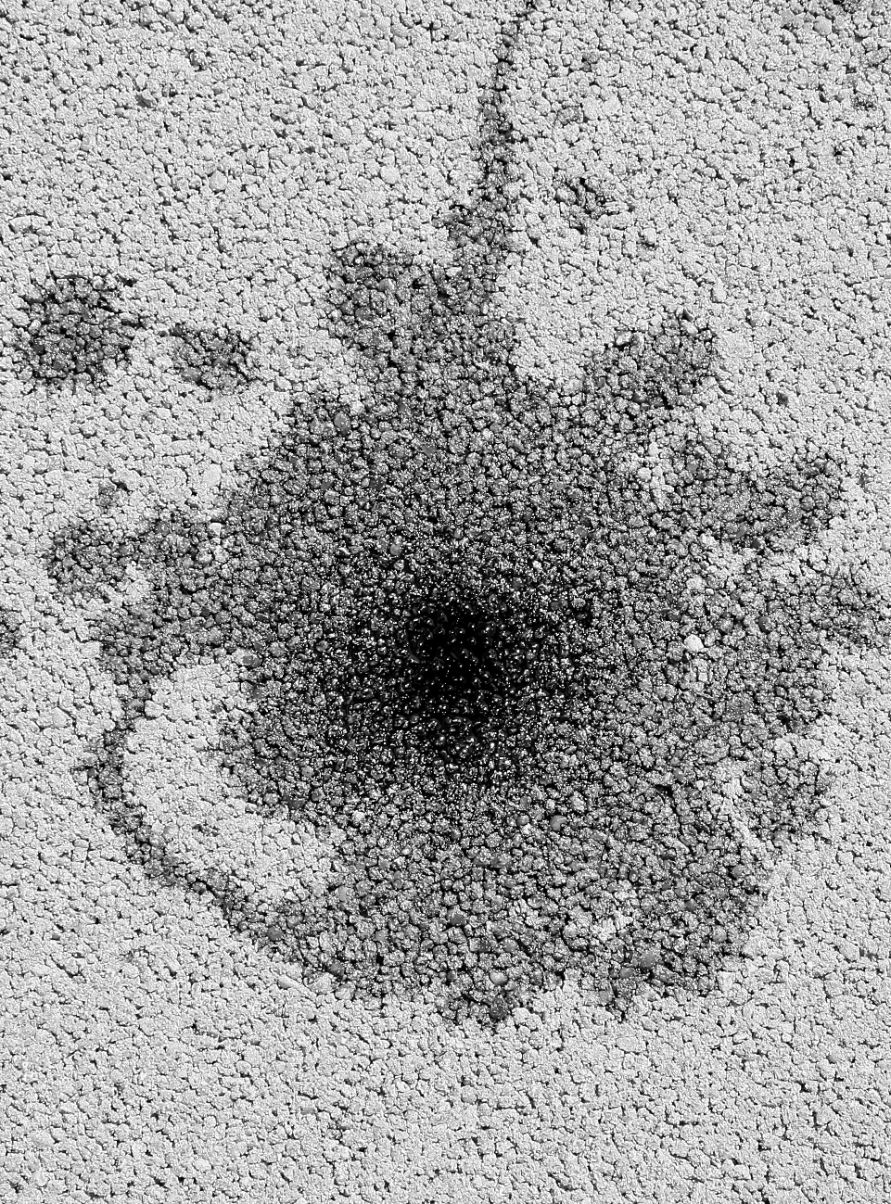
We have a product that can typically remove 65–95% of oil staining from paving stones (in some cases even 100%). The result depends on several factors:
- how contaminated the leaked oil is,
- the type of oil,
- how long ago it leaked (penetration depth, sunlight/heat exposure),
- the paving stone quality and porosity.
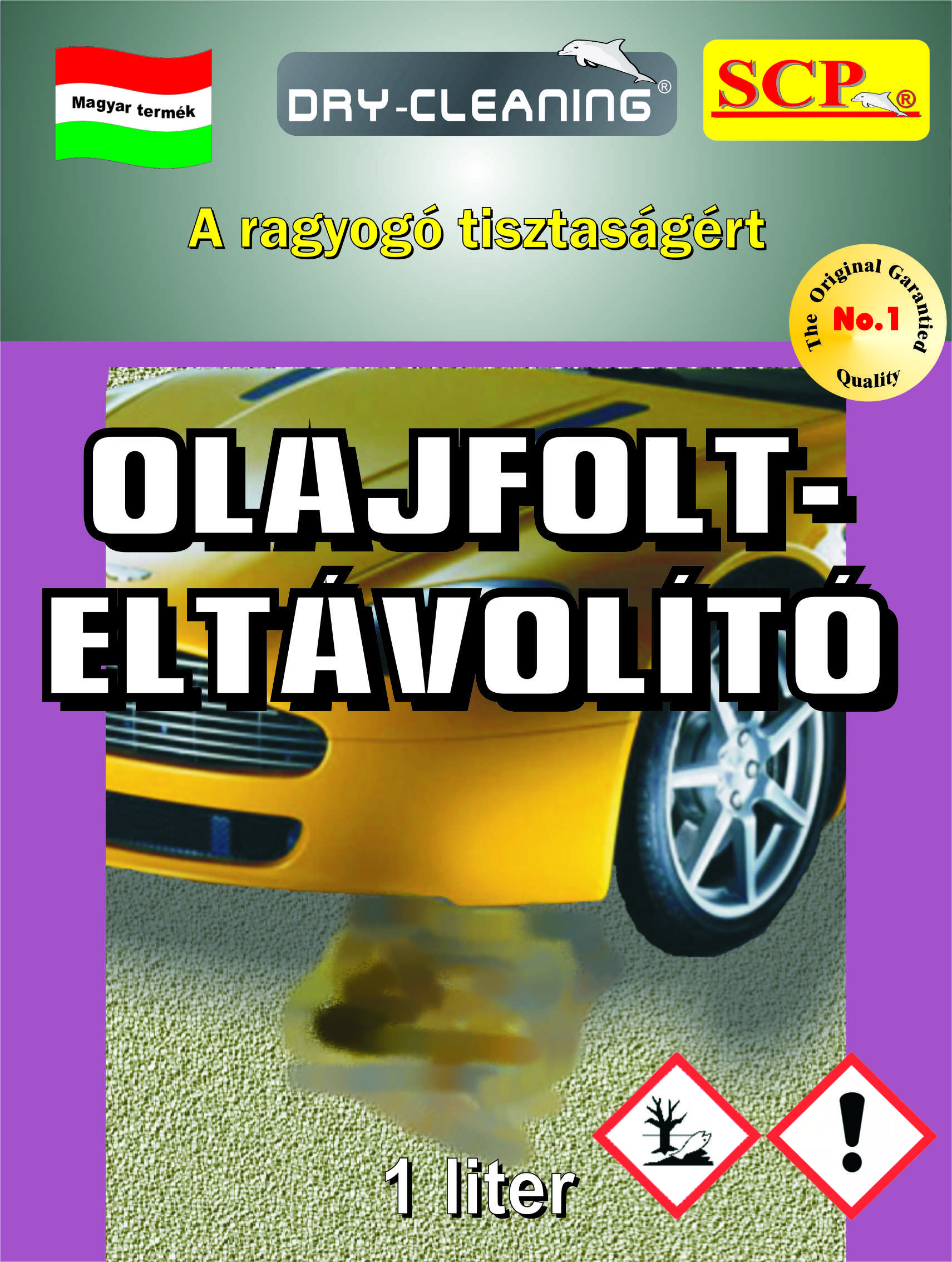
Recommended product: DRY-CLEANING Oil Stain Remover.
Prevention: if you would like to avoid future oil problems, use AQUA-STOP W Oil-repellent impregnator – Concrete Stone Protector Max.

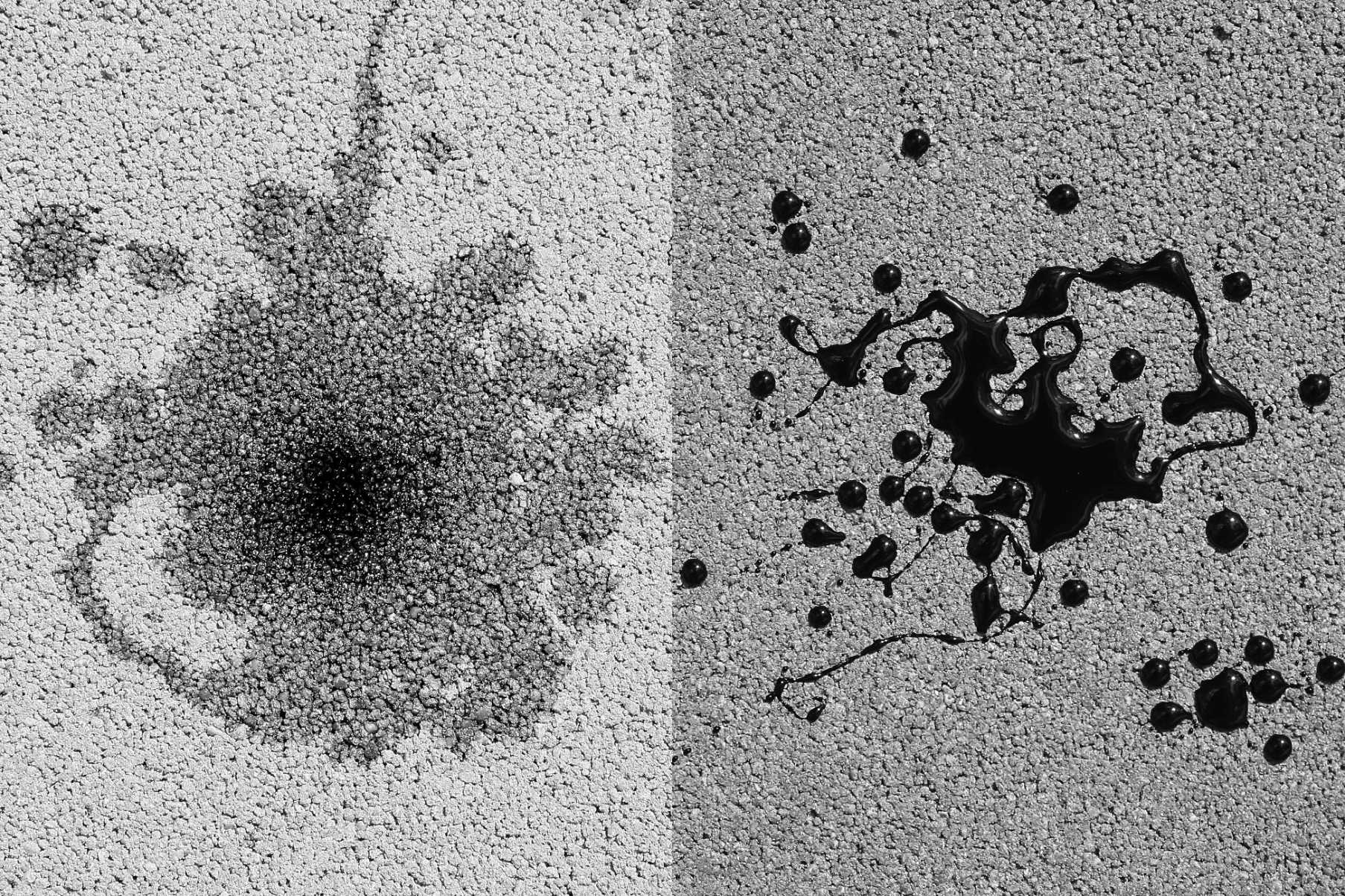
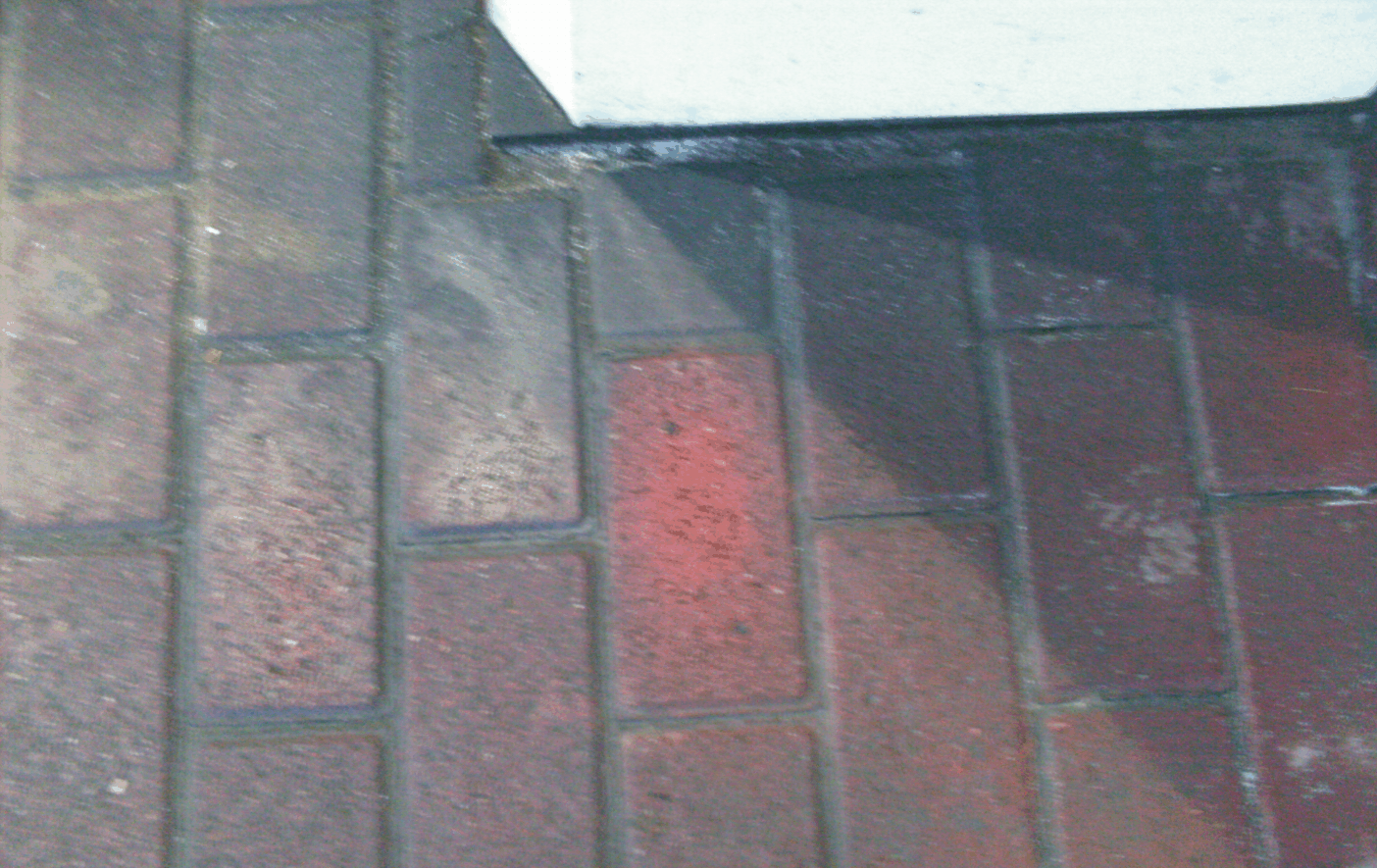
The photo shows the difference clearly: oil soaks into an untreated surface, while on an impregnated surface it can often be wiped up even with a paper towel.
3) Faded paving stones: refresh the colour
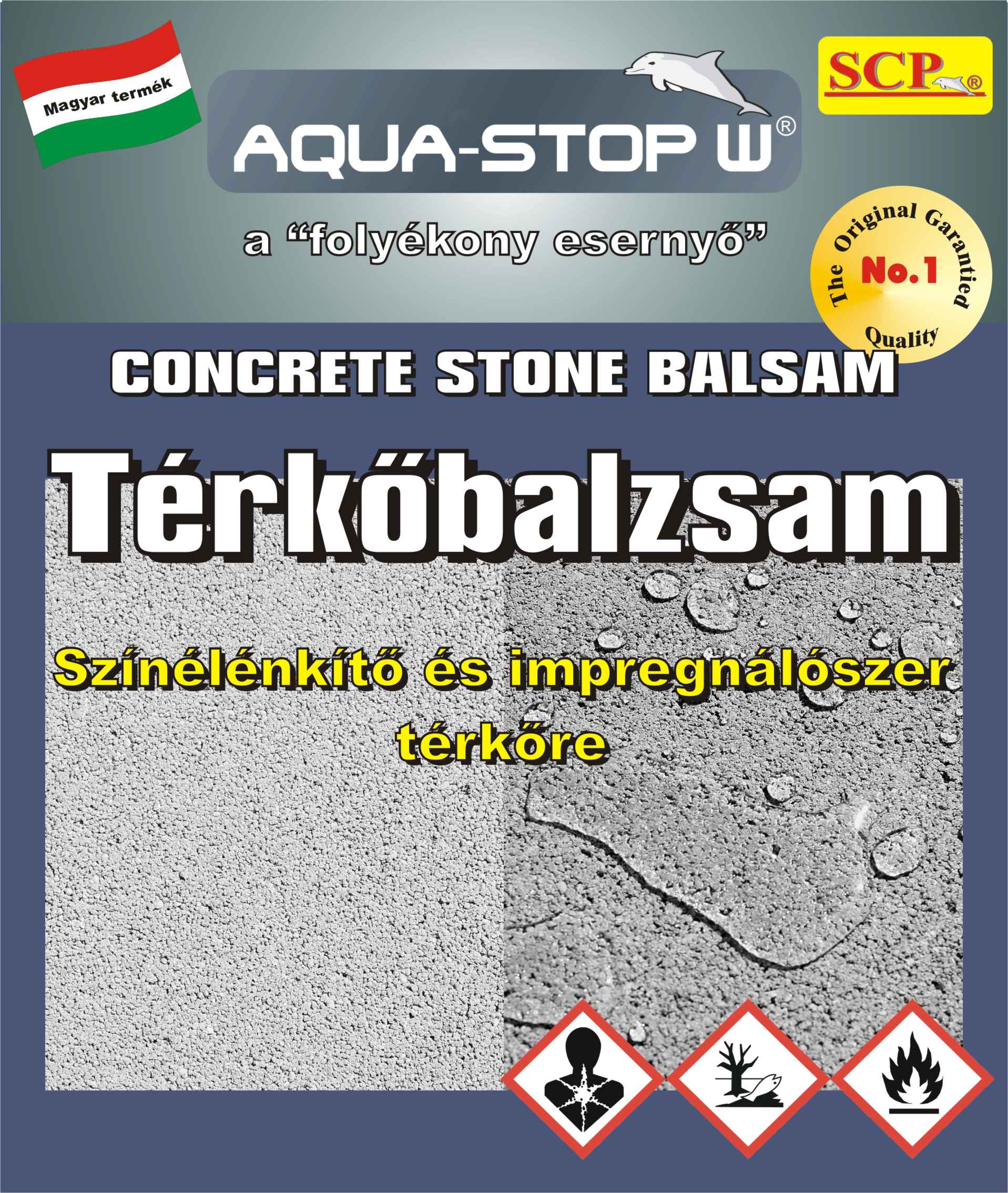
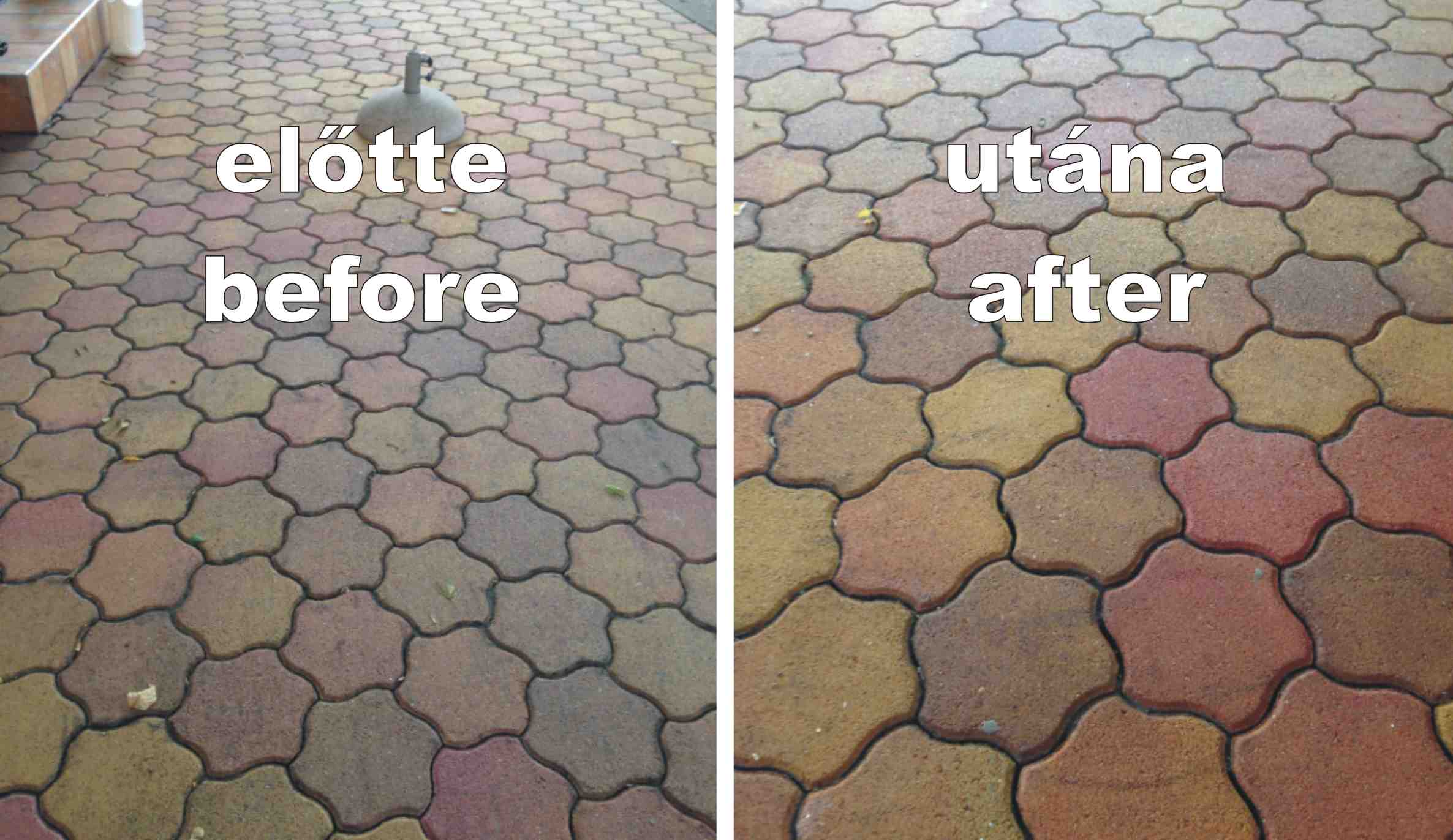
Over time, the colour of paving stones can fade. For colour refresh and a more even appearance, we recommend AQUA-STOP W Paving Stone Balsam – Concrete Stone Balsam.
- impregnation on a damp surface → weaker performance, patchiness
- insufficient cleaning → dirt gets sealed in
- leaving excess on the surface → streaking, sticky feel
- giving up after one attempt on oil stains → repeat treatment is often required
Here you can quickly access the most important pages and shortcuts.