



How long does a silicone water‑repellent treatment remain effective?

How long does a silicone water‑repellent treatment remain effective?
To be honest, the exact number of years is difficult to state – and it depends on the surface and the environment.
However, there are real‑world examples that clearly show the long‑term durability of high‑quality silicone treatments when they are applied correctly. German research and practice is considered among the most advanced in this field – and that is why we also rely on German raw materials and proven formulations.
The first documented trial was carried out in 1954 on a lime‑mortar wall surface in what was then West Germany. According to Karsten tube testing, the treated surface was still not wetting in 1997 (43 years later) and again in 2008 (54 years later).
A part of the reinforced‑concrete structure of the Munich Olympic Village was impregnated in 1972, and examinations in 1995 (23 years later) found the protection to be in good condition.
Silicone water‑repellent protection has been used on iconic structures such as the United States Capitol building in Washington, the Moai statues on Easter Island, Munich City Hall, the Lloyds Bank building in London, the Christ the Redeemer statue in Rio de Janeiro and even large archaeological sites.
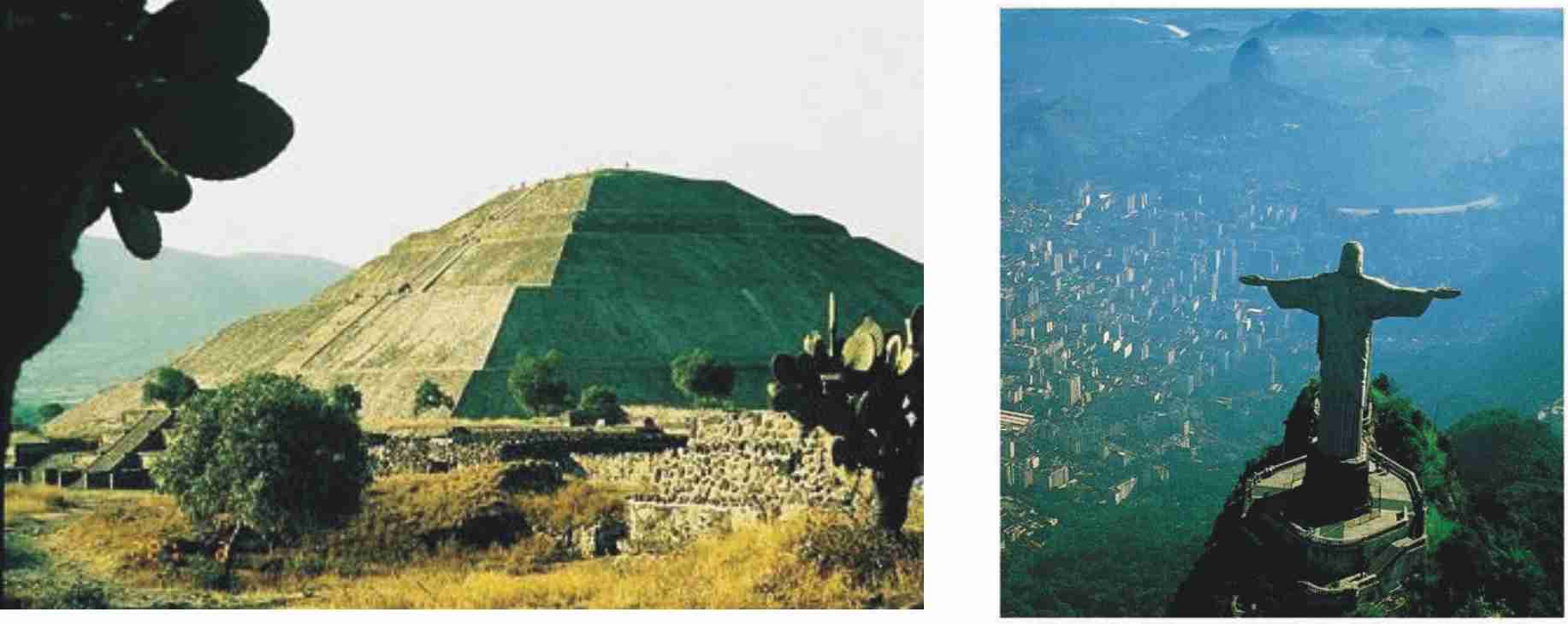
This almost unbelievable service life has several practical explanations:
• Excellent ultraviolet resistance: silicones are highly stable under sunlight.
• Chemical anchoring in mineral structures: in silicate‑based building materials, the active components can bond inside the pore structure, making the protection resistant to leaching, acidic rain and urban environmental stress.
• A very stable backbone: the structural backbone is based on silicon, not carbon – this contributes to long‑term durability.
It is worth noting that many silicone technologies were originally developed for demanding applications in aerospace and defence, and later became widely used in everyday life – from automotive and electronics to household applications.
In heritage protection and archaeology, these materials are among the few realistic tools to slow down weathering caused by water.
Video 1 – Aerated concrete versus Coca‑Cola: the purpose of this clip is simple: Coca‑Cola contains phosphoric acid, carbonic acid and colourants. The result is self‑explanatory.
“Here we test an impregnated aerated concrete block with Coca‑Cola. Cola contains phosphoric acid, carbonic acid and colourants. On the impregnated surface, the liquid does not soak in – it beads up and runs off. This shows how water‑repellent protection helps against staining and moisture penetration.”
YTONG block versus Coca‑Cola (open video)
Video 2 – The effect of silicone impregnation in practice:
“This clip shows the practical effect of silicone impregnation on a stone surface. After treatment, water beads strongly and does not penetrate the pores. A drier surface slows down biological growth and reduces freeze‑thaw stress, while water vapour diffusion can still remain possible depending on the substrate.”
This “toolkit” is still not complete, but we continuously expand it. If you would like a recommendation for your exact surface, we are happy to help with practical, experience‑based guidance.
- application on a damp surface → weaker performance / patchiness
- leaving excess product on the surface → streaks / glossy marks
- insufficient cleaning → dirt gets trapped under the protection
- too little material → shorter service life
Here you can quickly access the most important pages and shortcuts.